Choosing the Right Solar System for Your Home or Business
Thailand enjoys abundant sunshine throughout the entire year. This tropical climate provides a fantastic opportunity to generate your own electricity. High temperatures, especially during the hot months of April and May, often mean running air conditioning units constantly. This heavy usage quickly leads to high electricity bills for both residential households and commercial spaces.
Moving to renewable energy helps reduce these monthly expenses while lowering your carbon footprint. Selecting the right setup requires understanding your specific power requirements. You will want to look at exactly how much energy you consume daily to ensure you size the equipment correctly.
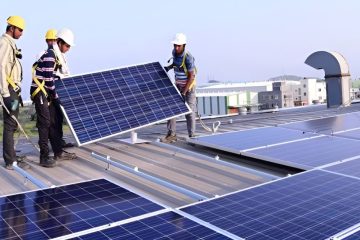
Finding a trusted professional is an important part of the process. When looking for reliable solar panel installation companies, always check their experience with local building regulations. A good installer will evaluate your property, inspect your roof structure, and suggest the best equipment for your long-term energy needs.
Understanding Your Energy Demands
Before buying panels, review your recent electricity bills. Note your peak usage times. Businesses usually consume power during the day, making them ideal candidates for immediate solar consumption. Residential properties might use more electricity during the evening when families return home. Knowing your habits helps determine how many panels you actually need to power your daily life.
Types of Solar Setups in Thailand
On-Grid Systems
Most urban areas in Thailand, such as Bangkok or Chiang Mai, benefit immensely from on-grid systems. These connect directly to the main provincial power grid. When your panels produce extra energy, it feeds back into the system. During the rainy season when cloud cover is heavy, you can still pull power directly from the grid to keep your appliances running smoothly.
Hybrid Systems
A hybrid system includes battery storage. This option stores excess power generated during sunny afternoons. You can then use this stored energy at night to run your air conditioning and lights. While batteries add to the initial cost, they offer backup power during grid outages, which occasionally happen during intense tropical storms.
Roof Direction and Maintenance
Your roof must receive adequate sunlight to make the investment worthwhile. In Thailand, south-facing roofs generally capture the most sun throughout the day. Professionals will check your roof angle and ensure no large trees block the light. You also need enough physical space to fit the required number of panels safely.
Maintenance is another factor to keep in mind. Dust can accumulate on the panels during the dry season, reducing their efficiency. Fortunately, the heavy downpours during the monsoon season naturally wash away much of this debris. Still, scheduling an annual professional cleaning ensures the system continues to operate efficiently.
Next Steps for Your Property
Making the final decision comes down to matching your energy habits with the right equipment. Take time to compare different setups, read through equipment warranties, and ask questions about the installation timeline. Start by calculating your daily usage, and you will quickly see how solar energy can work for your property.