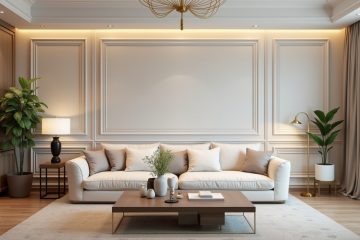
Interior Symmetry Techniques That Improve Balance
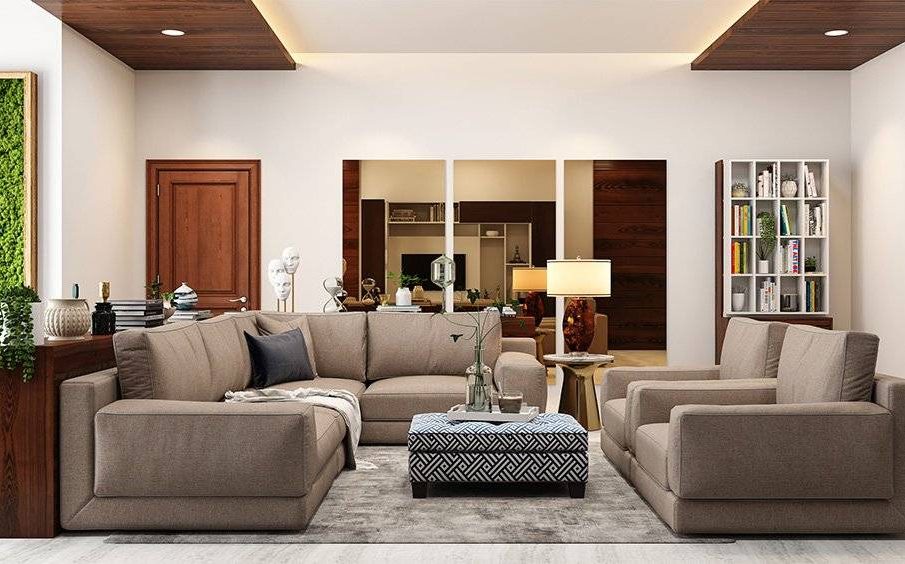
The concept of symmetry is deeply rooted in the human psyche. From the bilateral symmetry of the human body to the repetitive patterns found in nature, our brains are hardwired to find comfort and beauty in order. In the realm of interior design, symmetry is not merely an aesthetic choice but a psychological tool used to create a sense of stability, calm, and professionalism. By applying interior symmetry techniques, designers can transform a chaotic room into a balanced sanctuary that feels both intentional and polished.
Whether you are working with a grand living room or a compact studio apartment, understanding the nuances of formal and informal balance is essential for achieving a harmonious environment. This article explores the various methodologies of interior symmetry and how they can be strategically utilized to improve the functional and emotional balance of a home.
The Foundation of Formal Symmetry
Formal symmetry, often referred to as bilateral symmetry, is the most direct application of balance in interior design. It involves creating a mirror image across a central axis. This technique is frequently used in traditional and high-end residential designs because it conveys a sense of grandeur and authority.
Establishing the Central Axis
To create formal symmetry, one must first identify or create a focal point that serves as the axis. In a living room, this is often a fireplace, a large window, or a central piece of artwork. Once the axis is established, furniture and decor are placed in identical pairs on either side. For example, placing two identical sofas facing each other or two matching armchairs flanking a fireplace creates an immediate sense of equilibrium.
The Impact of Architectural Symmetry
In many cases, the architecture of a room provides a natural head start. Symmetrical windows, built-in shelving, or centered doorways dictate a balanced layout. When the architecture is symmetrical, the interior decor should reinforce those lines rather than fight against them. Using matching sconces on either side of a symmetrical doorway or centering a dining table directly under a pendant light that aligns with the windows are ways to lean into the inherent balance of a structure.
Asymmetrical Balance: The Art of Informal Symmetry
While formal symmetry is structured and predictable, asymmetrical balance offers a more relaxed and dynamic approach. Asymmetry does not mean a lack of balance; rather, it achieves equilibrium through the careful arrangement of objects with similar visual weights. This technique is often preferred in modern, bohemian, and Scandinavian designs where a “lived-in” feel is desired.
Visual Weight and Composition
Achieving balance without mirroring requires an understanding of visual weight. Elements like color, texture, and scale influence how “heavy” an object feels to the eye. For instance, a large, light-colored sofa on one side of a room can be balanced by two smaller, dark-toned armchairs on the opposite side. The dark color provides enough visual density to counter the physical size of the sofa.
Layering and Grouping
Asymmetrical balance often relies on the “rule of threes” or odd-numbered groupings. Instead of two identical lamps, a designer might place one large lamp on a sideboard and balance it on the other end with a tall vase and a stack of books. The heights and volumes work together to create a balanced silhouette without the rigidity of a mirror image. This approach allows for more personality and flexibility in the design process.
Radial Symmetry: Harmony from the Center Out
Radial symmetry is a technique where elements radiate outward from a central point. While less common than bilateral symmetry, it is highly effective at drawing the eye to a specific area and creating a sense of circular movement.
-
Dining Areas: The most common application of radial symmetry is the circular dining table. When chairs are placed evenly around the table and a central light fixture hangs above, the arrangement creates a cohesive, intimate atmosphere that encourages conversation.
-
Rotundas and Entryways: In grand foyers, a central round table or a circular rug acts as the anchor. All other elements, such as curved staircases or wall moldings, relate back to that central point.
-
Ceiling Details: Coffer ceilings or circular molding patterns are forms of radial symmetry that improve the balance of a room from the top down, adding architectural depth and interest.
Using Symmetry to Enhance Specific Rooms
Every room in a house serves a different purpose, and the application of symmetry should adapt to the functional needs of that space.
The Symmetrical Bedroom
The bedroom is a place for rest, making it the ideal candidate for formal symmetry. A centered bed flanked by identical nightstands and matching lamps creates a calming environment that reduces visual stress. When the eye can easily process the layout through symmetry, the brain can relax more effectively. To prevent the room from feeling too sterile, designers often introduce slight variations in texture or small decorative objects on the nightstands while maintaining the overall symmetrical structure.
Balancing the Kitchen
Kitchens are inherently functional, but they can easily become cluttered. Symmetry can be introduced through cabinetry and lighting. A central kitchen island with a pair or trio of identical pendant lights provides a strong visual anchor. Aligning the range or the sink with a central window or a cabinet grouping creates a professional, high-end look that improves the perceived organization of the space.
The Home Office and Focus
In a home office, symmetry can foster concentration. A desk centered in front of a window or a large bookshelf creates a structured environment. Using symmetrical storage solutions, such as identical filing cabinets or matching baskets on open shelving, helps minimize distractions and creates a professional backdrop for video calls.
Breaking Symmetry for Visual Interest
While symmetry is a powerful tool for balance, an overly symmetrical room can sometimes feel stagnant or unoriginal. The most successful interiors often use symmetry as a base and then intentionally “break” it to add character.
This is known as the “pivot point” technique. You might have a perfectly symmetrical living room layout but choose to hang a large piece of art slightly off-center or place a floor plant in only one corner. These intentional deviations act as points of interest that catch the eye and make the room feel more organic and human. The key is to ensure the deviation is purposeful so it does not look like an accidental mistake.
Color and Texture Symmetry
Symmetry is not limited to furniture placement; it also applies to the distribution of color and texture. A room can feel unbalanced if all the dark colors are on one side and all the light colors are on the other.
-
Color Distribution: If you use a bold accent color like navy blue in a throw pillow on the left side of the room, you should ideally incorporate that same navy blue in an object or piece of art on the right side. This creates a “color rhythm” that balances the space.
-
Textural Equilibrium: Similarly, if one side of a room features heavy, tactile materials like velvet or dark wood, the other side should have elements of similar textural weight, such as a woven rug or a textured wall covering, to maintain a cohesive feel.
Frequently Asked Questions
Does a room have to be perfectly symmetrical to be balanced?
No. Balance and symmetry are related but distinct. You can achieve balance through asymmetry by using objects of different shapes and sizes that carry the same visual weight. While formal symmetry is a reliable way to get balance, asymmetry often feels more modern and relaxed.
Can symmetry work in small rooms?
Yes, symmetry is actually very beneficial in small spaces. It provides a clear structure that prevents the room from feeling cluttered. Using a symmetrical layout in a small bedroom or living area can make the space feel more intentional and less cramped.
How do I find the focal point in a room that doesn’t have a fireplace or large window?
If your room lacks a natural architectural focal point, you can create one. A large piece of art, a bold accent wall, a tall bookshelf, or even a television can serve as the central axis around which you build your symmetrical or asymmetrical layout.
What is the most common mistake when trying to achieve symmetry?
The most common mistake is over-committing to formal symmetry to the point that the room feels like a showroom rather than a home. It is important to leave space for personal items, varied textures, and occasional “off-balance” elements to keep the design feeling warm and inviting.
How does lighting affect the balance of a room?
Lighting is a critical component of symmetry. A pair of lamps or sconces is a classic way to reinforce a symmetrical layout. However, even in an asymmetrical room, you should ensure that the level of light is balanced so that one side of the room does not feel “heavier” or more dominant because it is brighter.
Is radial symmetry expensive to implement?
Not necessarily. While architectural radial symmetry like rounded walls can be costly, you can achieve the same effect with furniture. A round rug, a circular coffee table, or an arrangement of artwork in a circular pattern are affordable ways to introduce radial balance into a space.
Can I mix different types of symmetry in the same house?
Absolutely. In fact, most well-designed homes use a variety of techniques. You might have a formally symmetrical bedroom for a sense of peace and an asymmetrically balanced living room for a more social, dynamic atmosphere. Mixing techniques keeps the home’s interior design interesting and layered.