Maximizing Utility: Storage Niches That Improve Bathroom Efficiency
The modern bathroom has evolved from a purely functional space into a personal sanctuary. However, the pursuit of relaxation is often hampered by the reality of clutter. Traditional storage solutions, such as bulky medicine cabinets or protruding wire racks, frequently consume more physical and visual space than they save. To achieve true efficiency, homeowners and designers are turning toward integrated storage niches. These recessed compartments utilize the “dead space” between wall studs, offering a streamlined way to organize essentials without encroaching on the room’s footprint.
The Architectural Advantage of Recessed Storage
Standard bathroom storage often relies on external fixtures. While shelves and cupboards are useful, they create visual noise and can make a small bathroom feel claustrophobic. A storage niche, by contrast, is built directly into the wall. This architectural approach provides several key benefits:
-
Spatial Conservation: By utilizing the depth of the wall (typically 3.5 to 4 inches in standard US residential framing), you reclaim floor and counter space.
-
Durability: Unlike hanging racks that rust or suction-cup shelves that inevitably fall, a tiled or solid-surface niche is a permanent, waterproof fixture.
-
Aesthetic Integration: Niches can be designed to blend seamlessly with the wall tile or serve as a focal point using accent materials.
Implementing these niches requires strategic planning regarding placement and moisture management, particularly in wet zones like the shower or above the bathtub.
Shower Niches: Eliminating the Floor Clutter
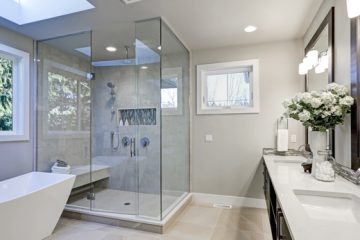
The most common application for a storage niche is within the shower enclosure. The goal here is to eliminate the “shampoo bottle graveyard” that often accumulates on the floor or the corners of the tub.
Ergonomic Placement
Efficiency is driven by accessibility. A shower niche should be placed at chest-to-eye level for the average user, typically between 48 and 60 inches from the floor. For households with varying heights, a vertical “tower” niche—a tall, narrow rectangle with multiple shelves—allows adults to reach the top shelf while keeping children’s bath toys on the bottom.
Material Selection for Longevity
In wet environments, the niche must be 100% waterproof. Prefabricated niche inserts made from high-density polystyrene or stainless steel are preferred over custom-built wood frames, as they are guaranteed to be leak-proof when properly thin-setted and tiled. Using a slight pitch (about 1/4 inch) on the bottom sill of the niche ensures that water drains back into the shower rather than pooling in the corners, preventing mold and soap scum buildup.
The Vanity Niche: Clearing the Countertop
The vanity is the most high-traffic area of the bathroom, and it is also the most prone to clutter. Toothbrushes, skincare products, and shaving kits often migrate across the counter, leaving little room for actual use.
The Mirror-Adjacent Niche
Instead of a traditional protruding medicine cabinet, consider flanking the vanity mirror with two vertical niches. This allows for immediate access to daily items. Because these are in “dry zones,” you have more flexibility with materials. Hardwood inserts can add warmth to the space, providing a high-end, custom furniture feel that contrasts beautifully with stone or porcelain backsplashes.
Hidden Niches
For those who prefer a minimalist aesthetic, “hidden” niches can be built behind sliding mirror panels. This provides the storage capacity of a deep cabinet without the bulky profile, maintaining a flush, clean wall surface.
Over-the-Toilet Niches: Utilizing Forgotten Space
The wall space above the toilet is frequently underutilized or decorated with flimsy “over-the-toilet” shelving units that feel unstable. A recessed niche in this area provides a sophisticated solution for storing extra toilet paper, hand towels, or decorative elements.
Horizontal Formatting
While shower niches are often vertical, over-the-toilet niches benefit from a horizontal orientation. A long, wide niche that spans the width of the toilet tank creates a sense of continuity and can make a narrow bathroom appear wider.
Lighting for Efficiency
Adding LED strip lighting to a recessed niche in this area serves two purposes. First, it highlights the architectural detail. Second, it acts as a low-intensity nightlight, providing enough illumination for midnight bathroom visits without the need to turn on harsh overhead lights.
Lower-Level Niches for Bathtub Accessibility
For those with soaking tubs, the “efficiency” of a bath is often ruined by having to stand up to reach for a towel or a book. A niche installed at a lower height—roughly 6 to 10 inches above the rim of the tub—is a game-changer.
-
Towel Niches: A square niche specifically sized to hold rolled-up plush towels keeps them within arm’s reach and dry.
-
Product Ledges: Use a long, low niche to hold candles, oils, or a glass of water, keeping the tub rim clear of items that might get knocked into the water.
Specialized Niches for Modern Electronics
As technology enters the bathroom, storage must adapt. Many homeowners now use tablets for news in the morning or Bluetooth speakers for music.
The Charging Niche
A small niche equipped with a GFI (Ground Fault Interrupter) outlet allows for the safe storage and charging of electric toothbrushes, razors, and even phones. By placing the outlet inside the niche, you remove unsightly cords from the vanity surface. Ensure these are placed far from water sources and meet local building codes for electrical safety in bathrooms.
Design Tips for Maximum Impact
To ensure your storage niches improve the efficiency and value of your home, consider these design principles:
-
Symmetry and Alignment: Align the edges of your niche with the grout lines of your tile. A niche that “cuts” awkwardly through tiles looks unplanned and messy.
-
Contrast for Depth: Using a different tile pattern or color inside the niche can create a sense of depth. For example, if the bathroom is white subway tile, a herringbone marble pattern inside the niche adds a luxury touch.
-
Shelf Materials: Glass shelves inside a niche provide a clean look and allow light to pass through, while stone shelves (matching the countertop) offer a cohesive, sturdy feel.
Frequently Asked Questions
Can a storage niche be added to an existing bathroom without a full remodel?
It is possible but challenging. Adding a niche requires cutting into the drywall and potentially moving studs or plumbing lines. It is significantly easier to install during a renovation when the wall cavities are exposed. If you are doing a “refresh,” ensure you use a stud finder to locate a clear space between framing members before cutting.
What is the ideal depth for a bathroom wall niche?
The depth is generally dictated by the width of your wall studs. Most US homes use 2×4 studs, which provides a depth of 3.5 inches. Adding the thickness of the backer board and tile usually results in a finished depth of about 3.75 to 4 inches. This is sufficient for most standard bottles of shampoo and soap.
How do I prevent mold growth inside a shower niche?
Prevention starts with proper waterproofing during installation. Use a waterproof membrane (like Kerdi or RedGard) over the entire niche area. Additionally, ensure the bottom shelf is slightly sloped toward the shower floor so water cannot sit. Regularly cleaning the corners with a non-abrasive cleaner will prevent soap scum buildup.
Are there structural risks to cutting into the wall for a niche?
You must never cut into a load-bearing wall or a wall containing major vent stacks or electrical mains without proper reinforcement. If a stud must be removed to create a wide horizontal niche, a header should be installed—much like a small window frame—to redistribute the weight.
What are the best materials for the “frame” or “border” of the niche?
Using a “bullnose” tile edge or a metal trim (like Schluter strips) provides a clean, finished look. For a more high-end appearance, many designers use a solid piece of quartz or marble that matches the vanity top to frame the niche, which eliminates grout lines on the outer edges.
How many niches are too many for one bathroom?
Efficiency is about balance. Overloading every wall with niches can make the room look busy and “holed.” Generally, one primary niche in the shower and one or two functional niches near the vanity or toilet are sufficient to handle the storage needs of a standard household.
Can I put a niche on an exterior wall?
It is generally discouraged in colder climates. Removing insulation to create a recessed niche on an exterior wall can create a “cold spot,” leading to condensation behind the wall and potential pipe freezes. If you must use an exterior wall, ensure you use thin, high-efficiency rigid foam insulation behind the niche insert.