

Revamp Your Interiors with Decorative Moulding Ideas
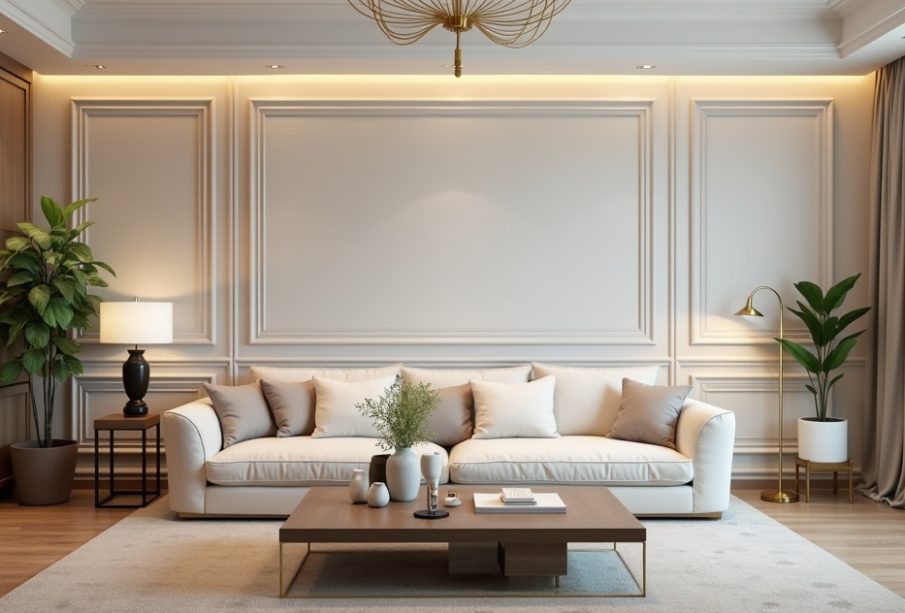
Interior design in Thailand often balances two distinct worlds: the clean, functional lines of modern city living and the intricate, soulful details of traditional craftsmanship. While many Bangkok condominiums lean towards minimalist styles, adding character to plain walls can transform a stark room into a warm, inviting home. One of the most effective ways to bridge this gap is through the clever use of decorative moulding, which adds depth and architectural interest without requiring major structural changes.
For homeowners looking to elevate their living spaces, the options are surprisingly versatile. You might picture heavy, ornate wood carvings found in old teak houses, but today’s design solutions are far more adaptable. Modern materials allow you to introduce classic elegance or contemporary geometric patterns with ease. Even if you live in a high-rise apartment, installing prefabricated wall moulding (known as บัวผนังสําเร็จรูป in Thai) is a straightforward way to mimic the grandeur of high-ceilinged estates without the dust and noise of traditional carpentry. This simple addition creates shadow lines and texture that paint alone cannot achieve.
These design elements work particularly well in Thailand’s tropical climate. Unlike heavy wallpapers that might peel in humidity, durable moulding materials, such as high-density polyurethane or polystyrene—resist moisture and warping. This practicality means you can bring sophisticated wainscoting into a bathroom or add crown moulding to a kitchen without worrying about long-term damage from the heat and dampness typical of the rainy season.
Framing Your Space
A popular trend in Thai homes involves using picture frame moulding to create defined zones on large, empty walls. This technique is perfect for breaking up the monotony of expansive white surfaces often found in new housing developments. By arranging simple rectangular frames on the wall, you create a dedicated gallery space for art or family photos. For a distinctly local touch, consider painting the moulding in a deep, rich hue like indigo or terracotta, contrasting against a neutral wall, evoking the vibrant colours of Thai silk or ceramics.
Blending Old and New
Decorative moulding doesn’t have to mean strictly European classical styles. You can adapt these elements to suit a “Modern Thai” aesthetic. Instead of elaborate floral cornices, opt for clean, stepped profiles that echo the tiered roofs of temples but in a subtle, abstract way. Chair rails can be used to separate two wall colours, perhaps a soothing grey on top and a darker, grounding wood tone below, bringing a sense of calm and order to a busy living room.
Ceiling Considerations
Don’t forget the “fifth wall”, the ceiling. In many Thai homes, ceilings are often neglected, leaving exposed beams or plain gypsum board. Adding a simple ceiling rose or a cornice around the perimeter draws the eye upward, making standard room heights feel more generous. If you have installed air conditioning units, moulding can also be a clever way to hide unsightly gaps or piping, integrating modern necessities into the room’s overall design seamlessly.
By thoughtfully applying these architectural details, you move beyond simple decoration. You create a space that feels finished, intentional, and uniquely yours, blending comfort with a touch of timeless sophistication.


